
B2B SaaS Engineering Partner

Sergei Chichalov
Founder & CTO, Bauart Software
We will audit your SaaS product to identify critical errors and threats to reliability and security.
We'll hop on a call to provide a 'helicopter view' of your code and architecture—delivering a concrete list of risks without any sales pressure or overpromising.
Fill in a short form → pick a time in Calendly → 25-minute call.
 No pitch. No pressure. 25 minutes.
We'll hold an expert Zoom meeting to dive deep into the project.
We'll conduct an express review of the code and architecture.
Top 5 risks — a concrete document showing what to fix first.
You definitely need this diagnostic if:

Preparing for a release or launch
You want to make sure the system can handle the load and that there are no critical issues in the code that might surface at the worst possible moment.

User complaints are increasing and churn is growing
The same errors keep coming back. You're fixing the symptoms, not the root cause — because the real issue runs deeper.

Planning to scale and add new features
You want to know in advance whether the architecture can handle growth, or whether it will need to be rewritten during the busiest phase.
5 signs your SaaS
urgently needs
a diagnostic audit
If you've noticed these issues, sign up for a free technical audit of your service.
Releases have become risky and unpredictable
You want to make sure the system can handle the load and that there are no critical issues in the code that might surface at the worst possible moment.
Users keep reporting recurring issues
The same errors keep coming back. You're fixing the symptoms, not the root cause — because the real issue runs deeper.
Development of new features has become too slow
The team spends more time fighting legacy code than building new functionality. The pace of development keeps slowing down month after month.
The system is held together by workarounds and temporary fixes
The product works, but internally it has accumulated too many fragile connections and patchwork solutions.
The load is growing, but the architecture can't keep up
As the number of users increases, slowdowns and new errors begin to appear. The architecture was not designed for the current scale.
We’ll uncover hidden bugs and risks you may have overlooked.
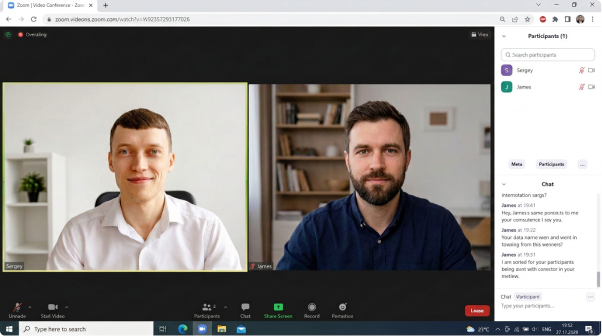

30-minute call. Tell us about your product, current pain points, and your most pressing concerns.
We'll ask the right questions to identify where to focus our review. No need to prepare a presentation — just a straightforward conversation.
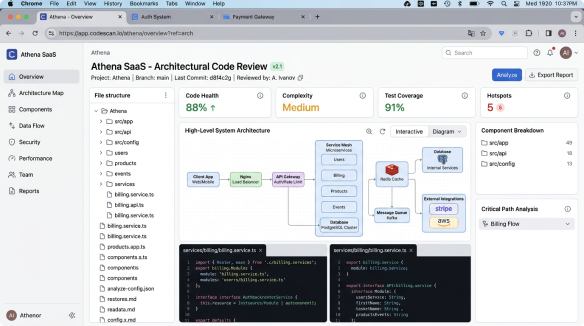

We’ll conduct an express review of the code and architecture for hidden bugs and vulnerabilities.
We'll look at the project structure, dependencies, configuration, CI/CD, and obvious high-level risks.
What we specifically review →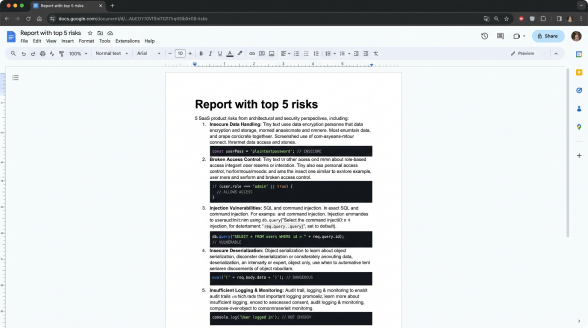

Report with top 5 risks and an honest recommendation on next steps
We'll ask the right questions to identify where to focus our review. No need to prepare a presentation — just a straightforward conversation.
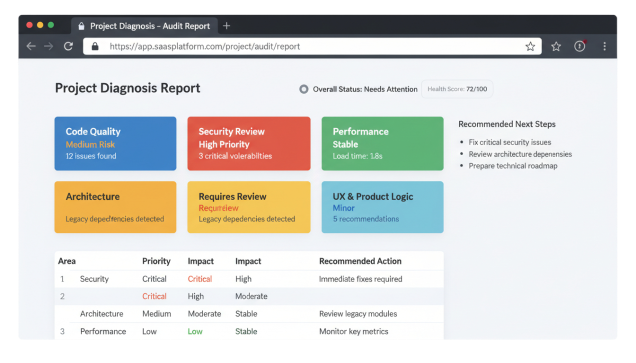

We’ll suggest a clear next step after the free diagnosis
After the review, you'll understand what needs attention now, what can wait, and which work format fits your project best.
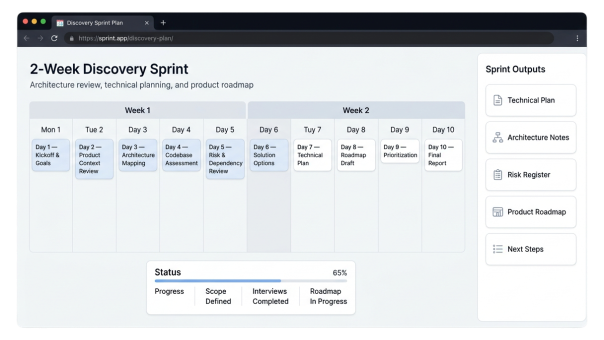

If your project needs systematic work, we’ll run a 2-week Discovery Sprint
We'll ask the right questions to identify where to focus our review. No need to prepare a presentation — just a straightforward conversation.
Examples of how we help products

Process Intelligence Platform · B2B Enterprise · Multi-tenant
Perceptif

AI-powered document workflow platform handling complex business processes and knowledge operations · B2B SaaS
Mindcrate
Step 2 — if we're a good fit
Technical Discovery Sprint
Architecture that survives growth
A clear system map of what you're building — designed to scale, not just to ship. Documented so any engineer can own it, not just the one who wrote it.
Technology choices aligned with your actual business stage
Not the trendiest stack. The right one for your product, your team size, and where you'll be in 18 months.
A roadmap built on constraints, not optimism
Milestones and timelines derived from your actual situation — budget, team, market window. No padding. No wishful thinking.
Realistic cost visibility before development starts
Full budget breakdown by phase and risk level. You'll know what you're committing to before you commit to anything.
Named risks with mitigation plans
Every significant technical risk identified, explained, and addressed — before it becomes a production incident or a missed deadline.
 Duration
2 weeks
Fixed price · discussed personally after the free call
Clarity guaranteed.
Discovery is designed to remove uncertainty — not produce another document. If by the end you still don't have a clear path forward, we keep working until you do. The cost of this sprint is credited toward your project if we continue together.
Who you’re talking to

Sergei Chichalov
Founder & CTO, Bauart Software
“Most agencies reset context every engagement. We accumulate it.”
12 years in software development, 8 of them building B2B SaaS products for international clients. I stay hands-on across the full cycle — architecture, team, and direct client communication. Founders trust me because I bridge business and engineering without losing either side.
- · 12 years in software development, 8 in B2B SaaS
- · Present on every engagement — from first call to final sprint
- · Longest client relationship: 7+ years
$1M+
Total earned
50
Total jobs
11,501
Hours worked
How we work
We operate like your internal tech team.
Architecture ownership from day one
The person responsible for architecture decisions is present from the first call — not handed off after the sale. Every technical direction is owned, explained, and defended by someone with full context.
No black-box development
Full operational visibility at every stage. Jira for task tracking, Hubstaff for time (with your direct access), live demos every two weeks. You watch the product being built — not receive polished updates written after the fact.
Long-term retention as the real signal
Our first client engagement started in 2018 and is still active. Long-term retention isn't a talking point — it's the result of predictable delivery, transparent communication, and architecture built to evolve without expensive resets.
7+
Years building SaaS products
15+
Successful product launches
6
Years average client relationship
Currently in development
Client reviews · Upwork · Verified
 Verified
What founders say after working with us.

 Upwork
 ★ 4.85 / 5
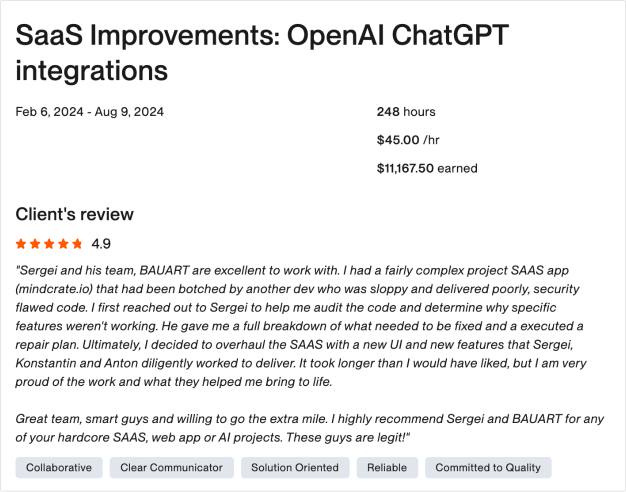
Upwork · mindcrate.io founder
Upwork
★ 5.0 / 5
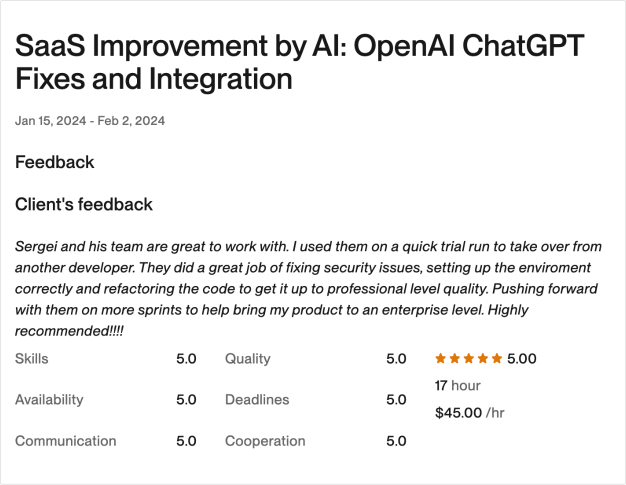
Upwork · SaaS Founder
Common questions
Most agencies optimize for feature velocity. We optimize for architectural stability across the entire product lifecycle.
– CTO involvement from day one — not handed off after the sale.
– Architecture decisions owned and defended with full context.
– Live demos every two weeks, real task visibility, time tracking you can access directly.
We measure success by how long clients stay. Our longest engagement started in 2018.
It’s a 25-30-minute conversation — not a sales call.
We’ll ask about your product, your current technical situation, and what’s blocking you. At the end, we’ll tell you honestly whether our Discovery Sprint makes sense for your situation.
If it doesn’t — we’ll say so. No follow-up pressure either way.
We don’t expect you to take our word for it. The Discovery process is specifically designed so you can evaluate us before committing to a full engagement.
You’ll see how we think, how we communicate, and what rigor looks like — in two weeks, with your actual product. If it doesn’t feel right, you get your money back.
Entering a complex codebase quickly is a core competency, not an exception for us. We’ve done it with multi-tenant platforms, high-load data systems, and AI-integrated products.
The Discovery is specifically structured to extract and document what matters — that’s the point.
Week one: stakeholder interviews, architecture review (if existing product), requirements mapping, and initial technical decisions.
Week two: we finalize the blueprint, roadmap, and budget — and present it in a structured walkthrough.
You leave with technical clarity that can guide hiring, fundraising, and the next phase of execution.
The cost of Discovery Sprint is applied toward your project. Most clients continue — because by the end of two weeks, we know your product deeply and you’ve already seen how we work.
Ready to talk?
25 minutes. No pitch. Just an honest look at your situation.
Fill in a short form → pick a time in Calendly → 25-minute call with Sergei.